Category: Skateboarding

  • From Streets to the Podium: Skateboarding’s Olympic Breakthrough

    From Streets to the Podium: Skateboarding’s Olympic Breakthrough

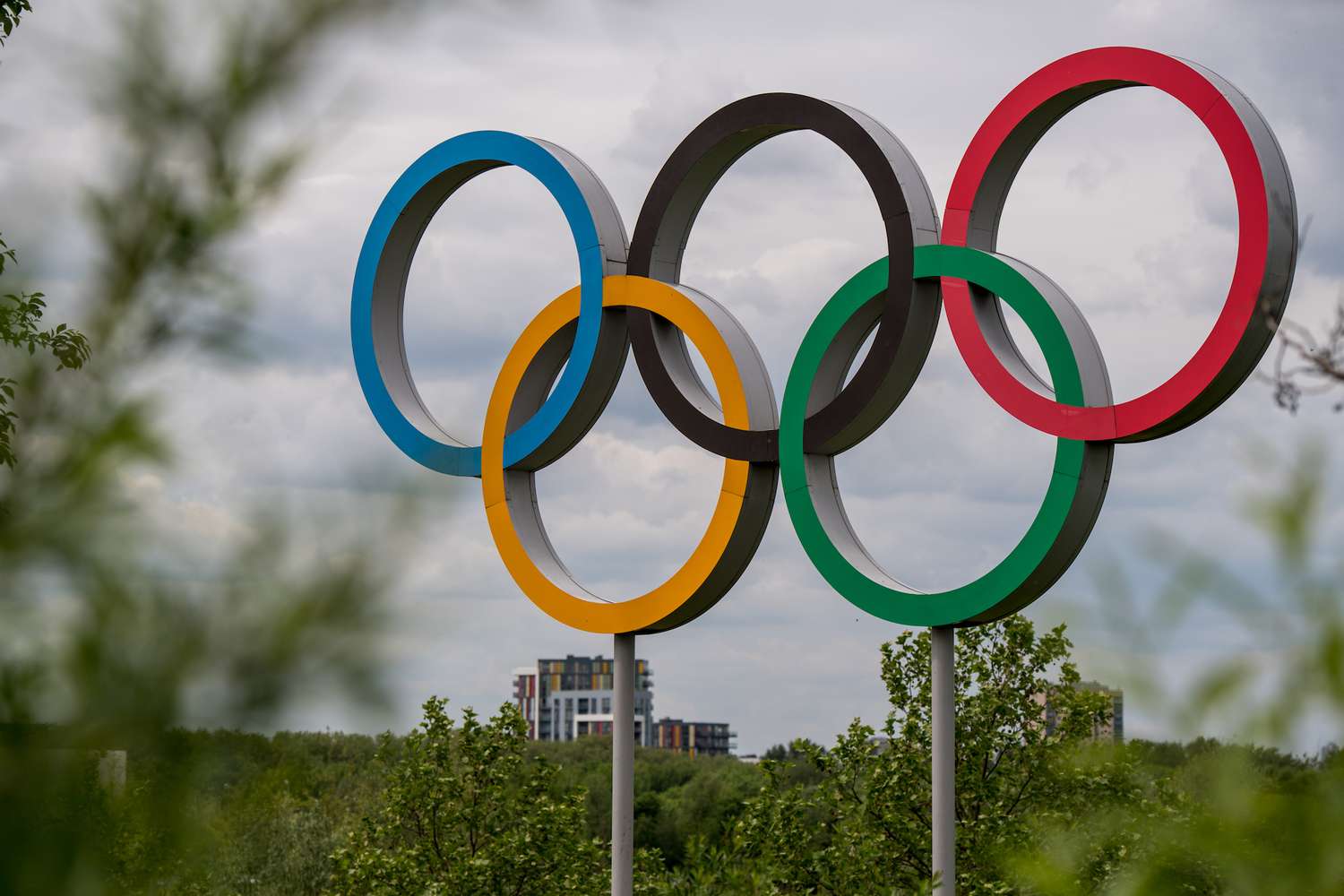
    Skateboarding officially rolled onto the world’s biggest sporting stage when it debuted at the Tokyo 2020 Summer Olympics. After decades of cultural influence and global growth, the sport was embraced by the International Olympic Committee as part of an effort to connect with younger audiences and reflect modern urban sports culture.

    Although branded as “Tokyo 2020,” the Games were held in 2021 due to the COVID-19 pandemic. Skateboarding featured two disciplines: street and park. Street competitions highlighted technical tricks on rails, stairs, and ledges, while park events took place in bowl-style courses emphasizing flow, speed, and aerial maneuvers. The debut proved to be a major success, showcasing not only elite athleticism but also the creativity and individuality that define skateboarding.

    One of the most talked-about aspects of the Olympic debut was the age range of competitors. Teenage medalists stood alongside seasoned pros, demonstrating how accessible and youth-driven the sport has become worldwide.

    Skateboarding returned for the Paris 2024 Summer Olympics, solidifying its place in the Olympic program. While some longtime skaters debated whether the Olympics align with skateboarding’s anti-establishment roots, many agree that global exposure has helped grow the community and inspire the next generation.

    From empty pools and city streets to the Olympic podium, skateboarding’s journey reflects how far the culture—and the sport—has come.
  • The Evolution of Skateboard Bearings

    The Evolution of Skateboard Bearings

    Skateboarding has always been about progression—not just in tricks and style, but in the gear beneath your feet. One of the most important (and often overlooked) components of a skateboard is its bearings. Over the decades, skateboarding bearings have evolved dramatically, helping riders go faster, smoother, and bigger than ever before.

    In the early days of skateboarding in the 1950s and 60s, boards often used clay or even repurposed roller skate wheels with basic steel bearings. These early bearings weren’t designed for the demands of street skating, bowls, or vert ramps. They were slow, prone to rust, and required frequent maintenance.

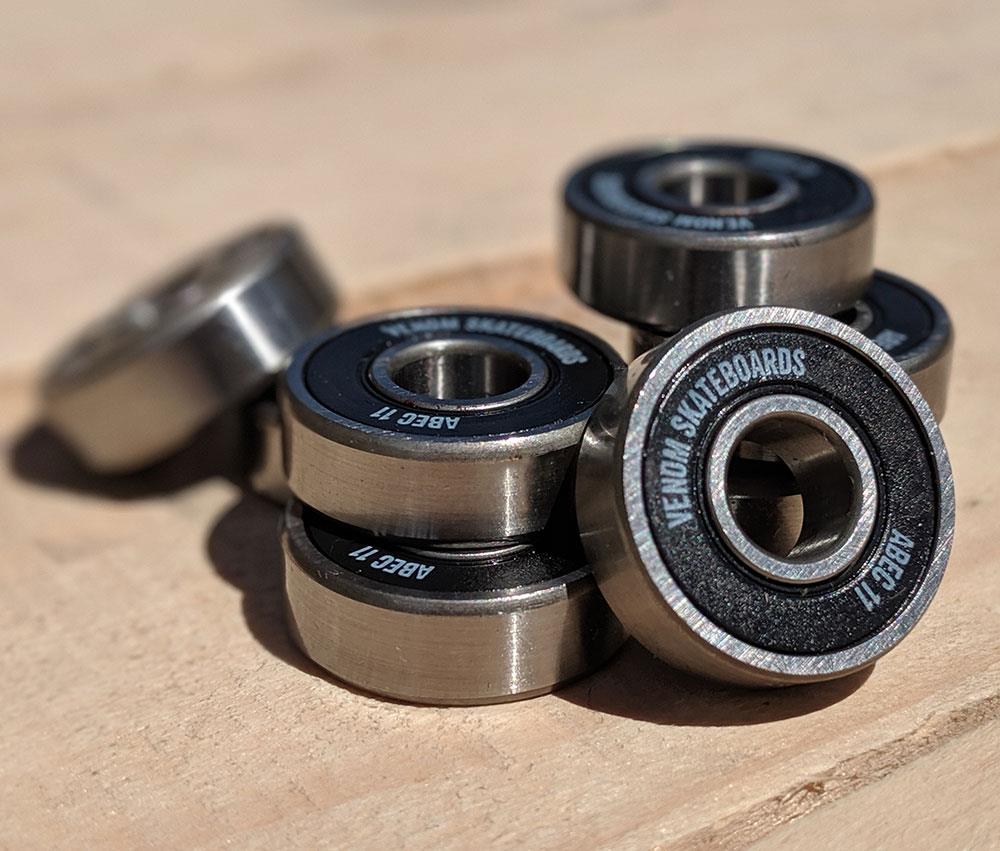
    As skateboarding exploded in popularity during the 1970s—thanks in part to pioneers like Tony Alva—manufacturers began producing bearings specifically for skateboarding. Precision steel bearings became more common, improving durability and roll speed. Around this time, the ABEC rating system (originally designed for industrial machinery) started being used to market skateboard bearings, even though high ABEC ratings didn’t always translate to better performance for skaters.

    By the 1990s and 2000s, specialized skate brands refined bearing design further. Removable rubber shields made cleaning easier, while improved lubrication reduced friction. Ceramic bearings entered the scene, offering lighter weight and greater resistance to heat and corrosion—though at a higher price point.

    Today’s skateboard bearings are engineered specifically for impact, dirt, and the unique stresses of tricks. From budget steel sets to high-end ceramic hybrids, modern bearings reflect decades of innovation. What started as a basic mechanical part has become a finely tuned performance component—helping skateboarders push the limits of speed and creativity.