Blog

  • 🏆 Husker Playoff Hopes: A Long Shot With a Path

    🏆 Husker Playoff Hopes: A Long Shot With a Path

    As Nebraska Cornhuskers gear up for the 2026 college football season, the big question on every fan’s mind isn’t just wins and losses — it’s “Can Nebraska make the College Football Playoff?” The short answer: yes, but it’s a long shot. (SI)

    📊 Analytics Say There’s a Chance

    ESPN’s playoff predictor recently placed Nebraska among the 32 teams with at least a mathematical shot at the CFP, assigning the Huskers roughly a 10 % chance of qualifying under the expanded 12-team format. That means while national title talk is still distant — ESPN pegs Nebraska’s odds of winning it all at just 0.1 % — the projection doesn’t rule the Cornhuskers out. (SI)

    🏈 The Schedule Matters

    Nebraska’s 2026 schedule isn’t kind: after three relatively straightforward non-conference games, the Huskers wade into a tough Big Ten slate that includes matchups with Indiana, Oregon, Washington, Ohio State and road tests at Michigan State and Iowa — all teams capable of derailing playoff dreams. (Huskers.com)

    To get into the playoff conversation, Nebraska will need to consistently win the games everyone expects them to win (the non-conference slate and traditionally softer Big Ten matchups) and upset at least one elite opponent. A 10-win season — or something close to it — is almost certainly needed given tiebreaker criteria and strength of schedule. (SI)

    đŸ”„ Why Fans Still Believe

    Optimism exists because Nebraska has shown progress under Matt Rhule, including back-to-back bowl appearances and the kind of improved competitiveness needed to win close games. Some analysts have even listed the Huskers among the top dozen teams with first-time playoff potential in recent years, citing rising continuity and elite talent at key positions. (SI)

    🎯 The Bottom Line

    Nebraska can make the playoffs in 2026 — it’s just not the expected outcome. Current projections see it as a clear uphill battle: a combination of tough opponents, limited margin for error, and stiff competition from the Big Ten and national landscape means the Huskers must play near-perfect football to crack the CFP field. (SI)

    For Husker fans, that’s both a challenge and a spark: hope isn’t dead — it’s just very much alive on the edge.
  • 🏈 2026 Preview: Time to Take the Next Step for the Cornhuskers

    🏈 2026 Preview: Time to Take the Next Step for the Cornhuskers

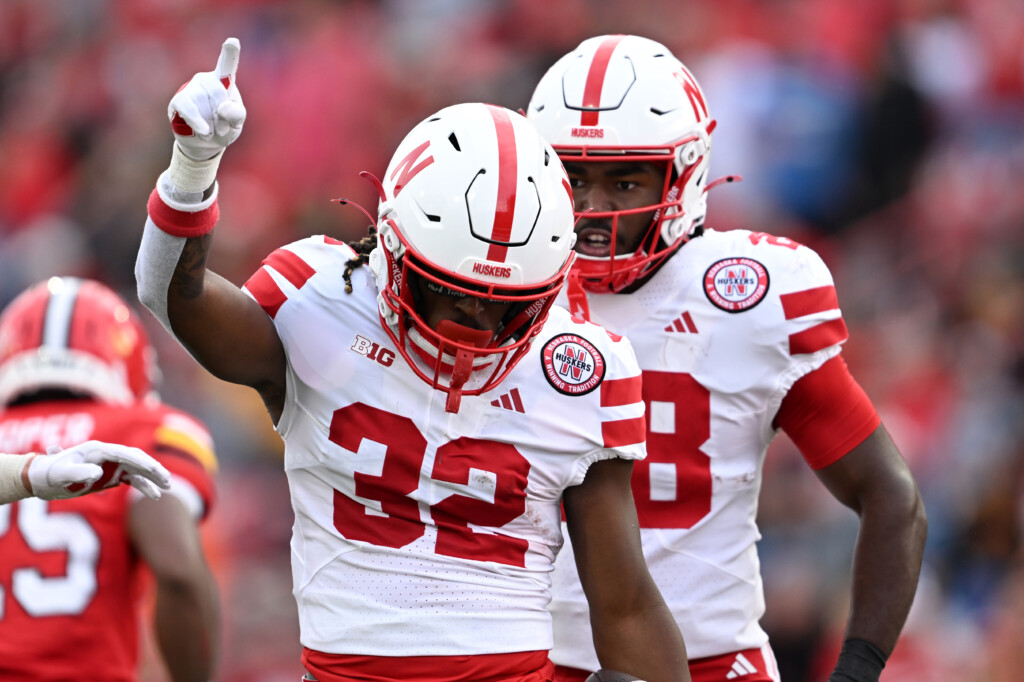
    After snapping a long streak of losing seasons and earning a bowl win in 2024, the Nebraska Cornhuskers enter 2026 with a mix of optimism, skepticism, and plenty to prove. With four years now under Matt Rhule’s leadership, Husker Nation is eager to see tangible growth on the field in Lincoln.

    📅 The Schedule Looms Large

    Nebraska’s slate is a true test. After three non-conference home games to open the year — hosting Ohio, Bowling Green, and North Dakota — the Huskers dive into a Big Ten gauntlet that includes road tests at Michigan State and Oregon and tough home dates with Maryland, Indiana, Washington, and a late-season clash with Ohio State. They’ll wrap the regular season on Black Friday at Iowa. (huskers.com)

    This mix of opponents makes projecting a breakout season tricky; winning a majority of league games will be no small feat, and fans know there’s little room for error. (SI)

    🧠 Roster & Offensive Direction

    Nebraska returns a largely young roster, highlighted by key contributors across positions — including emerging skill-position players and experienced leaders on defense. The quarterback room saw changes, including departures and new talent stepping up, meaning the offense will need cohesion early to thrive. (huskers.com)

    Offensive coordinator Dana Holgorsen is tasked with maximizing production — particularly in the red zone, an area where the Huskers struggled in recent campaigns. (SI)

    📈 Expectations vs. Reality

    The community is realistic: plenty of pundits see this season as a building year against one of the toughest schedules Nebraska has faced in recent memory. Winning the non-conference slate feels likely, but earning a strong Big Ten record will depend on consistency, health, and performing in close games. (Reddit)

    If Nebraska can punch above its expected win total and vie for a bowl berth, 2026 could be remembered as the year the program truly turned a corner — not just finished strong.

  • 2025 Nebraska Cornhuskers Football: Progress, Promise, and a Return to the Postseason

    2025 Nebraska Cornhuskers Football: Progress, Promise, and a Return to the Postseason

    The Huskers entered the 2025 season with optimism in Year 3 under head coach Matt Rhule after improvement over the previous two campaigns. They aimed to climb in the tough Big Ten and qualify for postseason play. (SI)

    Nebraska’s offense had some explosive moments early on, including a 68-0 win over Akron where quarterback Dylan Raiola threw for four touchdowns and the team posted its most dominant performance in years. (ESPN.com) They backed that up with solid early wins, briefly cracking the AP Top 25 mid-season. (KLKN-TV) The Huskers earned important conference victories, such as a 28-21 win over Northwestern that made them bowl eligible. (Northwestern Athletics)

    However, consistency was a challenge. Nebraska suffered setbacks like a 24-6 loss at Minnesota and later defeats to Power Five opponents such as USC Trojans football and Penn State Nittany Lions football, highlighting areas for growth on both sides of the ball. (ESPN.com)

    By the end of the regular season, the Cornhuskers finished 7-5 overall with a 4-5 Big Ten record. They received an invitation to the 2025 Las Vegas Bowl but were defeated by the Utah Utes football 44-22. (en.wikipedia.org)

    Overall, Nebraska’s 2025 campaign showed progress—reaching a bowl game for the second consecutive year and returning to the national rankings at times—but also revealed areas that need improvement as the program looks to build toward consistent contention in the Big Ten.

  • From Streets to the Podium: Skateboarding’s Olympic Breakthrough

    From Streets to the Podium: Skateboarding’s Olympic Breakthrough

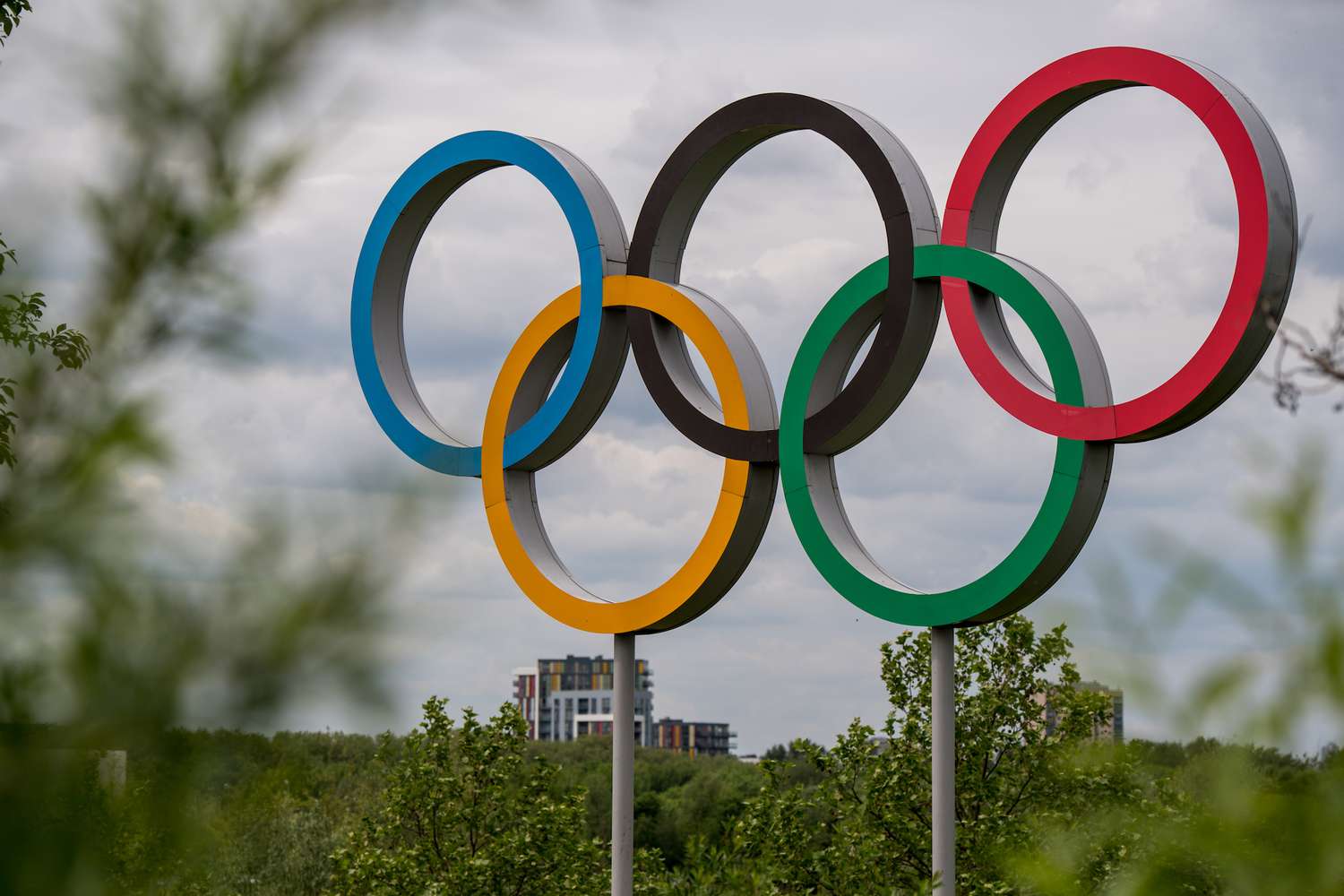
    Skateboarding officially rolled onto the world’s biggest sporting stage when it debuted at the Tokyo 2020 Summer Olympics. After decades of cultural influence and global growth, the sport was embraced by the International Olympic Committee as part of an effort to connect with younger audiences and reflect modern urban sports culture.

    Although branded as “Tokyo 2020,” the Games were held in 2021 due to the COVID-19 pandemic. Skateboarding featured two disciplines: street and park. Street competitions highlighted technical tricks on rails, stairs, and ledges, while park events took place in bowl-style courses emphasizing flow, speed, and aerial maneuvers. The debut proved to be a major success, showcasing not only elite athleticism but also the creativity and individuality that define skateboarding.

    One of the most talked-about aspects of the Olympic debut was the age range of competitors. Teenage medalists stood alongside seasoned pros, demonstrating how accessible and youth-driven the sport has become worldwide.

    Skateboarding returned for the Paris 2024 Summer Olympics, solidifying its place in the Olympic program. While some longtime skaters debated whether the Olympics align with skateboarding’s anti-establishment roots, many agree that global exposure has helped grow the community and inspire the next generation.

    From empty pools and city streets to the Olympic podium, skateboarding’s journey reflects how far the culture—and the sport—has come.

  • The Evolution of Skateboard Bearings

    The Evolution of Skateboard Bearings

    Skateboarding has always been about progression—not just in tricks and style, but in the gear beneath your feet. One of the most important (and often overlooked) components of a skateboard is its bearings. Over the decades, skateboarding bearings have evolved dramatically, helping riders go faster, smoother, and bigger than ever before.

    In the early days of skateboarding in the 1950s and 60s, boards often used clay or even repurposed roller skate wheels with basic steel bearings. These early bearings weren’t designed for the demands of street skating, bowls, or vert ramps. They were slow, prone to rust, and required frequent maintenance.

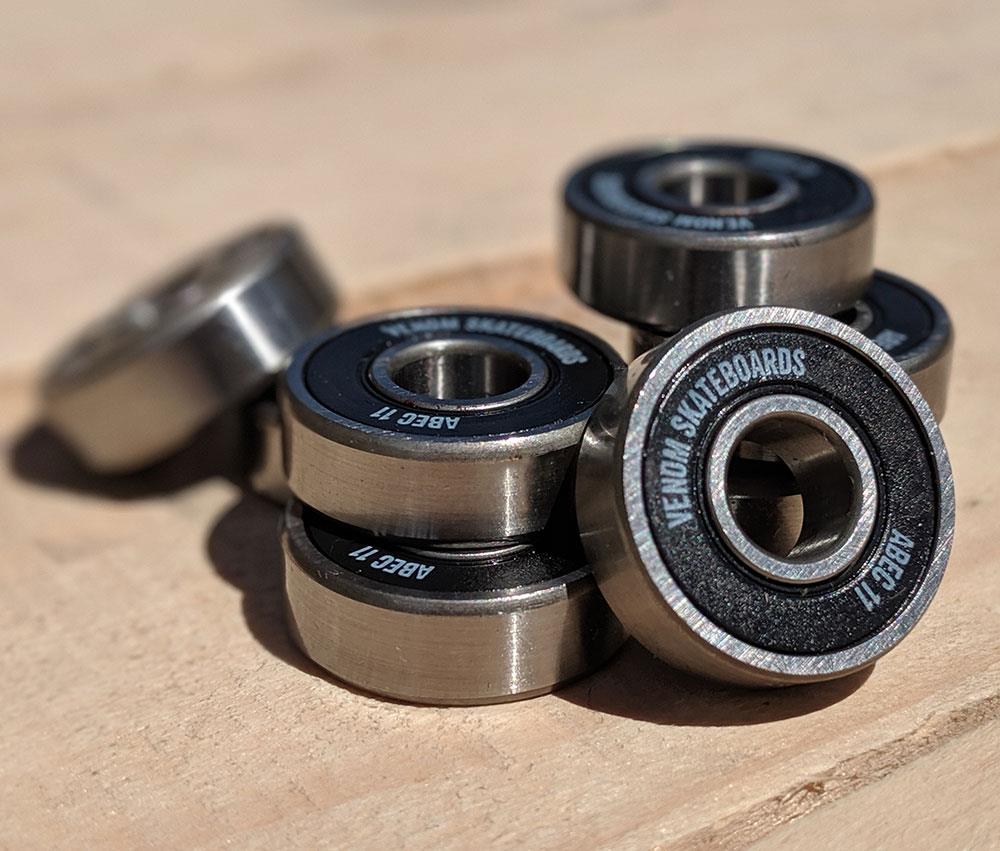
    As skateboarding exploded in popularity during the 1970s—thanks in part to pioneers like Tony Alva—manufacturers began producing bearings specifically for skateboarding. Precision steel bearings became more common, improving durability and roll speed. Around this time, the ABEC rating system (originally designed for industrial machinery) started being used to market skateboard bearings, even though high ABEC ratings didn’t always translate to better performance for skaters.

    By the 1990s and 2000s, specialized skate brands refined bearing design further. Removable rubber shields made cleaning easier, while improved lubrication reduced friction. Ceramic bearings entered the scene, offering lighter weight and greater resistance to heat and corrosion—though at a higher price point.

    Today’s skateboard bearings are engineered specifically for impact, dirt, and the unique stresses of tricks. From budget steel sets to high-end ceramic hybrids, modern bearings reflect decades of innovation. What started as a basic mechanical part has become a finely tuned performance component—helping skateboarders push the limits of speed and creativity.

  • Montreal Canadiens Performance in the Atlantic Division Era

    Montreal Canadiens Performance in the Atlantic Division Era

    The Montreal Canadiens were placed into the NHL’s Atlantic Division ahead of the 2013–14 season as part of the league’s major realignment. Since then, their performance has reflected a franchise navigating the challenges of a highly competitive division while transitioning between eras of contention and rebuilding.

    In the early years of the Atlantic Division, the Canadiens were among its strongest teams. Led by elite goaltending from Carey Price and strong two-way play throughout the lineup, Montreal quickly established itself as a regular playoff contender. The Canadiens finished near the top of the division multiple times during this period, including a division title in the shortened 2014–15 season. Price’s Hart Trophy–winning campaign that year was a defining moment, as Montreal was widely viewed as a legitimate Stanley Cup contender.

    However, the Canadiens’ success proved difficult to sustain. Injuries, roster turnover, and inconsistent scoring gradually eroded their position among the Atlantic’s elite. While the team continued to reach the playoffs intermittently through the late 2010s, early exits became more common, highlighting the gap between Montreal and division powerhouses such as the Tampa Bay Lightning and Boston Bruins.

    The late 2010s marked a turning point. The Canadiens struggled to keep pace in a division increasingly defined by speed, depth, and star power. Several seasons saw Montreal finish near the bottom of the Atlantic standings, prompting a broader organizational reassessment. Management shifted its focus toward drafting, player development, and long-term sustainability rather than short-term playoff pushes.

    Despite these challenges, the Canadiens delivered one of the most surprising runs of the Atlantic Division era during the 2020–21 season. Although the team finished lower in the division during the regular season, Montreal caught fire in the playoffs, ultimately reaching the Stanley Cup Final. That run, powered by disciplined defense and standout goaltending, briefly recaptured the franchise’s historic reputation for postseason resilience.

    In the seasons that followed, Montreal entered a more clearly defined rebuilding phase. Younger players were given expanded roles, and short-term results took a back seat to long-term development. While this has led to difficult seasons in the standings, it has also laid the foundation for future competitiveness within the Atlantic Division.

    Overall, the Canadiens’ performance since joining the Atlantic Division has been marked by early success, a gradual decline, and a commitment to renewal. Competing in one of the NHL’s toughest divisions has tested the franchise, but Montreal’s history suggests that sustained success remains an eventual goal rather than a fading ambition.

  • On the Bubble in the Atlantic: Can the Montreal Canadiens Turn a Tight Race Into a Playoff Run?

    On the Bubble in the Atlantic: Can the Montreal Canadiens Turn a Tight Race Into a Playoff Run?

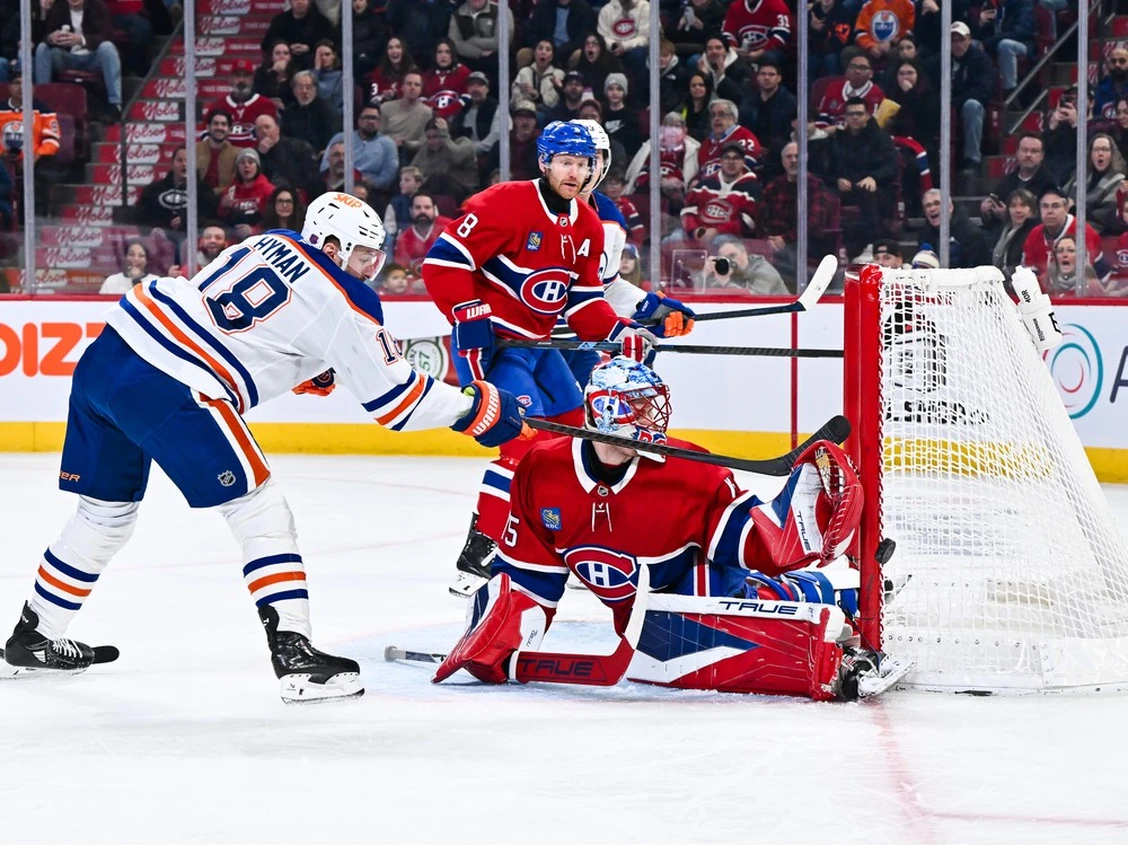
    The Montreal Canadiens sit in a tight Atlantic-division race but face an uphill fight to lock down a playoff spot. As of today they’re 17–12–4 (38 points) and fourth in the Atlantic — a solid points pace, but one that leaves little margin for error. (Hockey Reference)

    The Atlantic is crowded. Detroit, Boston and Tampa Bay are all clustered near the top, and Florida and Toronto aren’t far behind; that compact spread means every divisional game carries extra weight. Montreal’s current position gives them a real chance to finish in the top three of the division (which grants automatic qualification) — but it also means they’re in a dogfight for one of the conference wild-card slots if they slip. (HockeyDB)

    A simple projection based on their points percentage (38 points in 33 games) puts Montreal on pace for roughly 94–95 points over an 82-game season — typically right on the playoff bubble in the East. If they maintain their current form they’ll be competitive, but that projection also shows why a hot or cold streak could swing their fate. (Hockey Reference)

    Two caution flags: goal differential and home consistency. The Canadiens’ goals for/against suggest they’ve been winning some tight games but also getting outscored overall — an indicator that regression (either positive or negative) is likely. Their stronger road record versus a middling home record is another quirk to watch. (Wikipedia)

    Bottom line — Montreal’s playoff odds are realistic but fragile. Keep an eye on divisional head-to-heads, goaltending stability, and whether the team can flip its goal differential. With the Atlantic packed, the Habs need more than steady results: they need to seize streaks. If they do, a postseason berth is well within reach; if not, they could be battling for a wild-card right down to April. (nhl.com)

  • Hello world!

    Welcome to WordPress. This is your first post. Edit or delete it, then start writing!